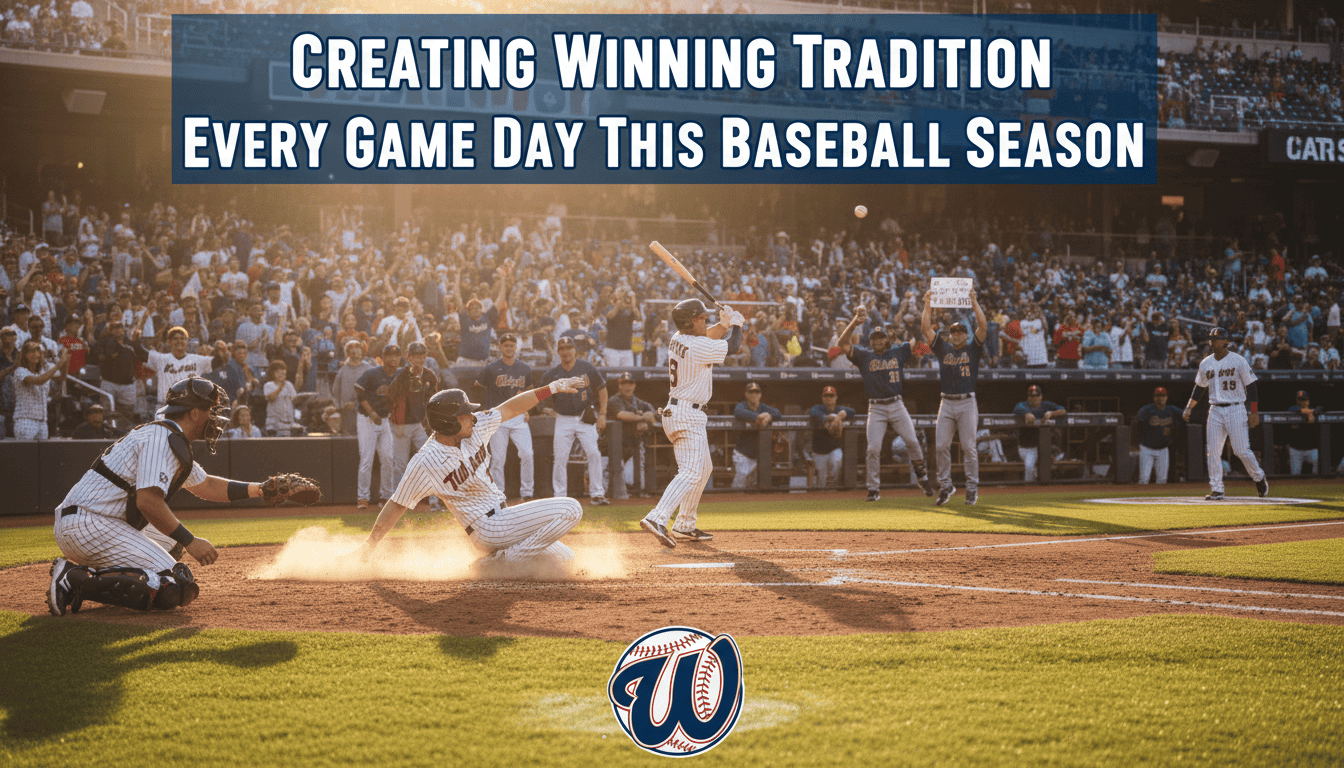
Creating a winning tradition every game day this Baseball season
Creating a Winning Tradition Every Game Day This Baseball Season
Baseball. The crack of the bat, the smell of hot dogs, the roar of the crowd – it’s an experience that transcends sport and becomes ingrained in the very fabric of summer. But beyond the inherent magic of the game, the best baseball experiences are built upon tradition. Not just the grand traditions of the sport itself, but the personal, team, and fan-driven rituals that fuel a winning atmosphere, both on and off the field. This season, let’s focus on building a winning tradition – one that inspires players, energizes fans, and cultivates a culture of success every game day.
I. Building a Winning Culture Within the Team:
A winning tradition begins within the team itself. It’s about establishing routines, fostering camaraderie, and creating a mindset that focuses on continuous improvement. This goes beyond simply practicing drills; it’s about weaving a tapestry of shared experiences that reinforce the team’s values and goals.
A. Pre-Game Rituals: Setting the Stage for Success
-
- The Mindset Meeting: Start each game day with a team meeting focused on mental preparation. This isn’t about dissecting the opponent’s stats for hours; it’s about visualization, positive affirmations, and setting individual and collective goals for the game. Discuss specific scenarios, focusing on how the team will react to adversity and capitalize on opportunities. Encourage players to share their own pre-game routines and mental strategies. This fosters open communication and reinforces the idea that mental preparation is just as important as physical conditioning.
- The Mindset Meeting: Start each game day with a team meeting focused on mental preparation. This isn’t about dissecting the opponent’s stats for hours; it’s about visualization, positive affirmations, and setting individual and collective goals for the game. Discuss specific scenarios, focusing on how the team will react to adversity and capitalize on opportunities. Encourage players to share their own pre-game routines and mental strategies. This fosters open communication and reinforces the idea that mental preparation is just as important as physical conditioning.
-
- The “Theme” of the Day: Choose a simple, unifying theme for each game. This could be anything from “Aggression at the Plate” to “Lockdown Defense” to “Clutch Hitting.” The theme provides a focal point for the day’s efforts and serves as a constant reminder of what the team is striving to achieve. Refer to the theme throughout the pre-game warm-up and in huddles during the game.
- The “Theme” of the Day: Choose a simple, unifying theme for each game. This could be anything from “Aggression at the Plate” to “Lockdown Defense” to “Clutch Hitting.” The theme provides a focal point for the day’s efforts and serves as a constant reminder of what the team is striving to achieve. Refer to the theme throughout the pre-game warm-up and in huddles during the game.
-
- The Unified Warm-up: Streamline the pre-game warm-up routine. Ensure it’s focused, efficient, and engaging. Include elements that emphasize team unity, such as synchronized drills or a quick, collaborative exercise before breaking for individual work. This promotes a sense of collective purpose and reinforces the idea that everyone is working towards the same goal.
- The Unified Warm-up: Streamline the pre-game warm-up routine. Ensure it’s focused, efficient, and engaging. Include elements that emphasize team unity, such as synchronized drills or a quick, collaborative exercise before breaking for individual work. This promotes a sense of collective purpose and reinforces the idea that everyone is working towards the same goal.
-
- The First Pitch Promise: Before the first pitch, have the team gather and make a collective promise to give their all, support each other, and compete with integrity. This simple act serves as a powerful reminder of the team’s commitment to excellence.
- The First Pitch Promise: Before the first pitch, have the team gather and make a collective promise to give their all, support each other, and compete with integrity. This simple act serves as a powerful reminder of the team’s commitment to excellence.
-
- Personalized Pre-Game Routines: While team rituals are important, encourage players to develop their own personalized pre-game routines. These routines can involve anything from specific stretches to listening to particular music to reviewing personal goals. Understanding and respecting individual routines fosters a sense of ownership and empowers players to prepare in the way that best suits them.
B. In-Game Traditions: Maintaining Focus and Momentum
-
- The “Next Play” Mentality: Baseball is a game of failure. Players will strike out, make errors, and get out-pitched. The key is to develop a “next play” mentality. Encourage players to immediately move on from mistakes and focus on the next opportunity. Implement a team signal or phrase that serves as a reminder to reset and refocus.
- The “Next Play” Mentality: Baseball is a game of failure. Players will strike out, make errors, and get out-pitched. The key is to develop a “next play” mentality. Encourage players to immediately move on from mistakes and focus on the next opportunity. Implement a team signal or phrase that serves as a reminder to reset and refocus.
-
- The Rally Cry: Develop a specific rally cry that the team can use to energize each other during crucial moments. This could be a simple chant, a team song, or a motivational phrase. The key is to choose something that resonates with the team and is easily remembered. The rally cry should be used strategically to boost morale and create a sense of collective energy.
- The Rally Cry: Develop a specific rally cry that the team can use to energize each other during crucial moments. This could be a simple chant, a team song, or a motivational phrase. The key is to choose something that resonates with the team and is easily remembered. The rally cry should be used strategically to boost morale and create a sense of collective energy.
-
- The Defensive Huddle: After each half-inning, the defensive team should gather for a quick huddle. This provides an opportunity to review the previous half-inning, make adjustments, and reinforce defensive strategies. The huddle should be positive and encouraging, focusing on the team’s strengths and areas for improvement.
- The Defensive Huddle: After each half-inning, the defensive team should gather for a quick huddle. This provides an opportunity to review the previous half-inning, make adjustments, and reinforce defensive strategies. The huddle should be positive and encouraging, focusing on the team’s strengths and areas for improvement.
-
- The Encouragement System: Implement a system where players actively encourage each other throughout the game. This can involve verbal affirmations, high-fives, or simple gestures of support. This creates a positive and supportive environment, which can help players stay focused and motivated even when facing adversity.
- The Encouragement System: Implement a system where players actively encourage each other throughout the game. This can involve verbal affirmations, high-fives, or simple gestures of support. This creates a positive and supportive environment, which can help players stay focused and motivated even when facing adversity.
-
- Celebrate Small Victories: Don’t wait for a grand slam to celebrate. A well-executed sacrifice bunt, a heads-up defensive play, or a hard-fought at-bat should all be acknowledged and celebrated. Recognizing these small victories reinforces positive behavior and creates a culture of appreciation.
C. Post-Game Rituals: Reflection and Growth
-
- The Post-Game Debrief: After each game, hold a brief post-game debrief. This is not about assigning blame; it’s about objectively reviewing the game, identifying areas of strength and weakness, and setting goals for improvement. Focus on process rather than outcome, emphasizing effort, execution, and teamwork.
- The Post-Game Debrief: After each game, hold a brief post-game debrief. This is not about assigning blame; it’s about objectively reviewing the game, identifying areas of strength and weakness, and setting goals for improvement. Focus on process rather than outcome, emphasizing effort, execution, and teamwork.
-
- The “Game Ball” Award: Each game, award a “game ball” to the player who made the most significant contribution to the team’s success, both on and off the field. This can be based on statistical performance, leadership, or simply demonstrating exceptional effort and sportsmanship. The award should be presented publicly and accompanied by a brief explanation of why the player was chosen.
- The “Game Ball” Award: Each game, award a “game ball” to the player who made the most significant contribution to the team’s success, both on and off the field. This can be based on statistical performance, leadership, or simply demonstrating exceptional effort and sportsmanship. The award should be presented publicly and accompanied by a brief explanation of why the player was chosen.
-
- The Team Meal: After certain games, especially significant victories or challenging losses, consider organizing a team meal. This provides an opportunity for players to relax, bond, and reflect on the game in a more informal setting.
- The Team Meal: After certain games, especially significant victories or challenging losses, consider organizing a team meal. This provides an opportunity for players to relax, bond, and reflect on the game in a more informal setting.
-
- The Thank You Note: Encourage players to write a short thank you note to someone who has supported them throughout the season, such as a coach, parent, or teammate. This reinforces the importance of gratitude and strengthens relationships within the team.
- The Thank You Note: Encourage players to write a short thank you note to someone who has supported them throughout the season, such as a coach, parent, or teammate. This reinforces the importance of gratitude and strengthens relationships within the team.
-
- The Season-Long Scrapbook: Create a team scrapbook to document the season’s highlights, both on and off the field. This can include photos, newspaper clippings, and personal reflections from players and coaches. The scrapbook serves as a lasting reminder of the team’s accomplishments and the bonds that were forged throughout the season.
II. Engaging the Fans: Turning Spectators into Partners
A winning tradition extends beyond the team itself and encompasses the fans who provide unwavering support. By actively engaging fans and making them feel like a part of the team’s journey, you can create a powerful and passionate fanbase that fuels the team’s success.
A. Pre-Game Fan Engagement: Building the Excitement
-
- The “Fan Fest” Experience: Before each game, create a “Fan Fest” atmosphere outside the stadium or ballpark. This can include activities such as face painting, games, music, and food vendors. The goal is to create a fun and engaging environment that encourages fans to arrive early and build excitement for the game.
- The “Fan Fest” Experience: Before each game, create a “Fan Fest” atmosphere outside the stadium or ballpark. This can include activities such as face painting, games, music, and food vendors. The goal is to create a fun and engaging environment that encourages fans to arrive early and build excitement for the game.
-
- Player Meet-and-Greets: Organize opportunities for fans to meet and interact with the players. This can involve autograph signings, photo opportunities, or informal Q&A sessions. These interactions create a personal connection between the players and the fans, fostering a sense of loyalty and support.
- Player Meet-and-Greets: Organize opportunities for fans to meet and interact with the players. This can involve autograph signings, photo opportunities, or informal Q&A sessions. These interactions create a personal connection between the players and the fans, fostering a sense of loyalty and support.
-
- The “Kids Run the Bases” Event: After select games, allow kids to run the bases. This is a simple yet incredibly popular activity that creates lasting memories and inspires the next generation of baseball fans.
- The “Kids Run the Bases” Event: After select games, allow kids to run the bases. This is a simple yet incredibly popular activity that creates lasting memories and inspires the next generation of baseball fans.
-
- The “Chalk Talk” Session: Host a pre-game “Chalk Talk” session with a coach or player. This provides an opportunity for fans to learn more about the game, ask questions, and gain insights into the team’s strategies.
- The “Chalk Talk” Session: Host a pre-game “Chalk Talk” session with a coach or player. This provides an opportunity for fans to learn more about the game, ask questions, and gain insights into the team’s strategies.
-
- Social Media Engagement: Utilize social media platforms to engage with fans leading up to the game. This can involve posting behind-the-scenes content, running contests, and responding to fan questions and comments.
B. In-Game Fan Engagement: Keeping the Energy High
-
- The Jumbotron Experience: Utilize the jumbotron to its full potential. This can include showing replays, highlighting fan moments, running trivia contests, and playing upbeat music.
- The Jumbotron Experience: Utilize the jumbotron to its full potential. This can include showing replays, highlighting fan moments, running trivia contests, and playing upbeat music.
-
- The “Fan of the Game” Recognition: Each game, recognize a “Fan of the Game” and feature them on the jumbotron. This could be someone who is celebrating a birthday, has a special connection to the team, or simply demonstrates exceptional enthusiasm.
- The “Fan of the Game” Recognition: Each game, recognize a “Fan of the Game” and feature them on the jumbotron. This could be someone who is celebrating a birthday, has a special connection to the team, or simply demonstrates exceptional enthusiasm.
-
- The Promotional Giveaways: Offer promotional giveaways to fans at select games. This can include items such as hats, t-shirts, or bobbleheads. Giveaways create excitement and encourage fans to attend the games.
- The Promotional Giveaways: Offer promotional giveaways to fans at select games. This can include items such as hats, t-shirts, or bobbleheads. Giveaways create excitement and encourage fans to attend the games.
-
- The Interactive Contests: Organize interactive contests during the game, such as trivia, guessing games, or dance competitions. These contests keep fans engaged and entertained throughout the game.
- The Interactive Contests: Organize interactive contests during the game, such as trivia, guessing games, or dance competitions. These contests keep fans engaged and entertained throughout the game.
-
- The Community Spotlight: Highlight local community organizations and charities during the game. This demonstrates the team’s commitment to giving back to the community and inspires fans to get involved.
C. Post-Game Fan Engagement: Building Lasting Relationships
-
- The Post-Game Fireworks Show: After select games, put on a post-game fireworks show. This is a spectacular way to end the night and create a memorable experience for fans.
- The Post-Game Fireworks Show: After select games, put on a post-game fireworks show. This is a spectacular way to end the night and create a memorable experience for fans.
-
- The Player Appreciation Day: Designate a “Player Appreciation Day” at the end of the season to thank the players for their hard work and dedication. This can involve a special ceremony, player speeches, and opportunities for fans to meet and interact with the players.
- The Player Appreciation Day: Designate a “Player Appreciation Day” at the end of the season to thank the players for their hard work and dedication. This can involve a special ceremony, player speeches, and opportunities for fans to meet and interact with the players.
-
- The Season Ticket Holder Appreciation Event: Host a special event for season ticket holders to thank them for their unwavering support. This can involve a catered meal, player appearances, and behind-the-scenes tours of the stadium.
- The Season Ticket Holder Appreciation Event: Host a special event for season ticket holders to thank them for their unwavering support. This can involve a catered meal, player appearances, and behind-the-scenes tours of the stadium.
-
- The Community Outreach Programs: Organize community outreach programs that involve the players, such as visiting schools, hospitals, or local charities. This demonstrates the team’s commitment to giving back to the community and inspires fans to do the same.
- The Community Outreach Programs: Organize community outreach programs that involve the players, such as visiting schools, hospitals, or local charities. This demonstrates the team’s commitment to giving back to the community and inspires fans to do the same.
-
- Solicit Fan Feedback: Actively solicit feedback from fans to understand their needs and preferences. This can involve online surveys, focus groups, or simply talking to fans at the games. Use this feedback to continuously improve the fan experience.
III. Sustaining the Winning Tradition: Consistency and Evolution
Creating a winning tradition is not a one-time event; it’s an ongoing process that requires consistency and evolution. The traditions established should be ingrained in the team’s culture and passed down from generation to generation. However, it’s also important to be open to new ideas and adapt the traditions to meet the changing needs of the team and the fans.
-
- Document the Traditions: Document the team’s traditions in a written guide or video presentation. This ensures that the traditions are clearly understood and can be easily passed down to new players and coaches.
- Document the Traditions: Document the team’s traditions in a written guide or video presentation. This ensures that the traditions are clearly understood and can be easily passed down to new players and coaches.
-
- Empower Players to Lead: Empower players to take ownership of the team’s traditions. This can involve giving them the responsibility of organizing pre-game rituals, leading the rally cry, or mentoring younger players.
- Empower Players to Lead: Empower players to take ownership of the team’s traditions. This can involve giving them the responsibility of organizing pre-game rituals, leading the rally cry, or mentoring younger players.
-
- Seek Input from Fans: Regularly solicit input from fans on how to improve the fan experience. This ensures that the traditions remain relevant and engaging for the fans.
- Seek Input from Fans: Regularly solicit input from fans on how to improve the fan experience. This ensures that the traditions remain relevant and engaging for the fans.
-
- Adapt to Change: Be open to adapting the traditions as needed to meet the changing needs of the team and the fans. This can involve incorporating new technologies, responding to current events, or simply trying new ideas.
- Adapt to Change: Be open to adapting the traditions as needed to meet the changing needs of the team and the fans. This can involve incorporating new technologies, responding to current events, or simply trying new ideas.
-
- Celebrate Success: Celebrate the team’s successes and acknowledge the role that the traditions played in achieving those successes. This reinforces the value of the traditions and inspires players and fans to continue supporting them.
By focusing on building a winning culture within the team, actively engaging the fans, and sustaining the traditions through consistency and evolution, you can create a truly special baseball experience that inspires players, energizes fans, and cultivates a culture of success every game day. This season, let’s not just play baseball; let’s build a winning tradition that will last for years to come. This is about creating memories, fostering community, and instilling a sense of pride that extends far beyond the confines of the baseball diamond. So, lace up those cleats, grab your gloves, and let’s build a winning tradition together!
Related Posts
 VIP Group Transportation for Concerts and Sports Events in New York
 Hit a home run with your crew this Baseball season
 The most stylish way to pull up to the stadium during Baseball season
 Unleash Power and Prestige in the Lamborghini Urus 23 with Bubz Limos NYC
 Disabled Wheelchair Taxi Service in NYC
 Private Medical Transportation in New York
 Luxury Limos for Cigar Enthusiasts
 Airport Transfers for Travelers from Miami