

Why does no one use limos anymore
The iconic stretch limousine has long been synonymous with luxury, special occasions, and glamorous experiences. However, in recent years, the frequency of limo usage has declined significantly. This trend raises questions: Why have limousines fallen out of favor? What cultural, societal, and technological shifts have contributed to this decline? This article delves into these factors, exploring changes in transportation preferences, economic considerations, and evolving social attitudes toward luxury and convenience.
The Rise and Fall of the Limousine Culture
Historical Context
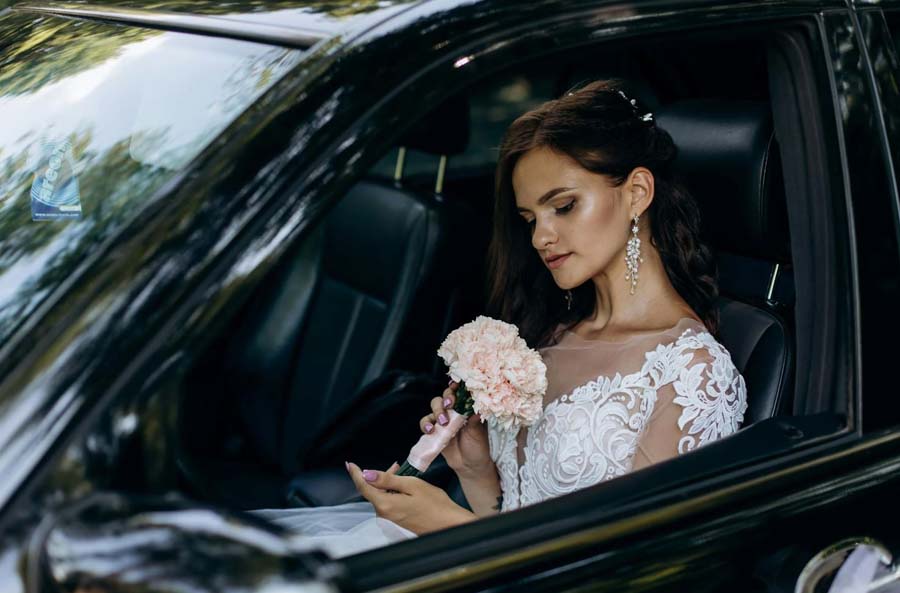
Limousines became popular in the 1920s, associated with celebrities, the wealthy elite, and significant events like weddings and proms. The image of a long, black stretch limo has captivated the public’s imagination as a symbol of success and opulence. Companies thrived in this niche market, catering to upscale clients and establishing a reputation that often hinged on exclusivity.
Changing Social Norms
However, as social norms evolved, the allure of limousines began to wane. Today, individuals place a premium on authenticity over ostentation. Social media has amplified this trend, leading to a preference for unique, memorable experiences rather than conventional luxury symbols. The rise of shared economies and platforms promoting sustainability has also shifted priorities away from traditional luxury, aligning closer with communal and independent travel options.
The Impact of Technology
The Uber and Lyft Revolution
The advent of ridesharing platforms like Uber and Lyft has significantly altered the landscape of personal transportation. These services allow individuals to summon a ride at the touch of a button, providing convenience and comfort at competitive rates. Ridesharing has become the go-to solution for many, particularly among younger generations. The user-friendly apps, transparent pricing, and quick turnaround times have made traditional limousine services appear cumbersome and outdated in comparison.
Advances in Vehicle Technology
Moreover, technological advancements in automotive design have led to the emergence of luxury sedans that rival stretch limousines in style and comfort. High-end brands now offer vehicles that provide plush interiors, advanced tech features, and impressive performance. As consumers increasingly seek high-quality experiences without the commitment of renting a full limousine, these luxury vehicles have found favor among those looking for a sophisticated ride without the extensive costs or logistical challenges associated with limos.
Economic Factors
Cost Considerations
Cost has played a significant role in the decline of limousine services. Limousines are often associated with hefty price tags, making them less appealing for everyday use. While they remain suitable for formal events, casual comfort and convenience are increasingly preferred. Ridesharing services offer competitive pricing, which appeals to budget-conscious consumers seeking alternatives to expensive limos without sacrificing quality.
Changing Event Trends
Another economic factor is the nature of celebrations today. Major events like weddings and graduations have changed over the years. Traditional events often involved elaborate transportation like limos, but contemporary celebrations have shifted towards more personalized experiences. Young couples favor unique transportation options that resonate more with their personalities. As a result, limousines appear out of sync with modern sensibilities that emphasize individuality.
Increased Competition
In addition to ridesharing, other transportation alternatives like party buses and luxury car rentals have gained traction. These options provide similar experiences and often cater to larger groups or offer more amenities. As a result, the limousine industry faces heightened competition, forcing it to adapt or risk being overshadowed by more innovative services.
Evolving Consumer Preferences
Focus on Personalization
The modern consumer increasingly values personalized experiences, from travel to dining. This desire for customization extends to transportation. People want rides that reflect their style or personality and can curate an experience unique to them. Traditional limousines, often standardized and uniform, may not align with this trend. More innovative vehicles or services that offer a varying range of options are becoming the preferred choices for those looking to make a statement.
The Social Media Influence
Social media’s rise has changed how people curate their experiences. Young adults increasingly document their lives through platforms like Instagram and TikTok, where authenticity often trumps traditional concepts of luxury. This cultural shift has prompted them to gravitate towards ride options that are visually unique and Instagrammable rather than the conventional black limo. Event coordinators and planners now often recommend alternatives that better suit shared and vibrant moments photographed for social media.
Experiences Over Material Goods
Furthermore, there’s been a noticeable cultural shift towards experiences over material possessions. Millennials and Generation Z prioritize spending on experiences that create lasting memories, often choosing adventure, spontaneity, and connection over the lavish accouterments of traditional luxury. The need for spaces that facilitate shared experiences, such as co-working spaces or co-living environments, extends to transportation choices, where group options like shuttles or party buses trump isolated opulence.
Environmental Considerations
Growing Environmental Consciousness
As society grapples with climate change and sustainability, consumers are becoming increasingly aware of their choices’ environmental impact. Traditional limousine services often rely on larger vehicles that are less fuel-efficient. This awareness has urged many to seek greener alternatives to transportation, aligning with a growing desire to reduce one’s carbon footprint.
Transportation Alternatives
Public transportation and ridesharing services that utilize smaller, more efficient vehicles have gained traction among environmentally conscious consumers. These options not only reduce the ecological impact of travel but also foster a sense of community as individuals share rides.
Limousines in Popular Culture
Shift in Representation
Limousines have become less prevalent in popular culture as modern narratives evolve. While they were once depicted as the quintessential vehicles for the elite, new media portray luxury in diverse, accessible ways. Shows, films, and social media have broadened the representation of luxury to include a range of vehicles that cater to different lifestyles, making limos seem out-of-touch with current trends.
Alternative Icons of Luxury
The portrayal of luxury has expanded to embrace not only opulent cars but also the lifestyle around them. Electric vehicles (EVs), vintage cars, and even unconventional modes of transport (like scooters or bikes) have gained status among younger audiences, who appreciate innovation, sustainability, and uniqueness over traditional symbols of wealth.
The Future of Limousines
An Industry at a Crossroads
The limousine industry finds itself at a pivotal juncture—one that requires adaptation to an evolving transportation landscape. To regain relevance, limousine companies must rethink their approaches, incorporating technology, sustainable practices, and a focus on unique experiences.
Opportunities for Revival
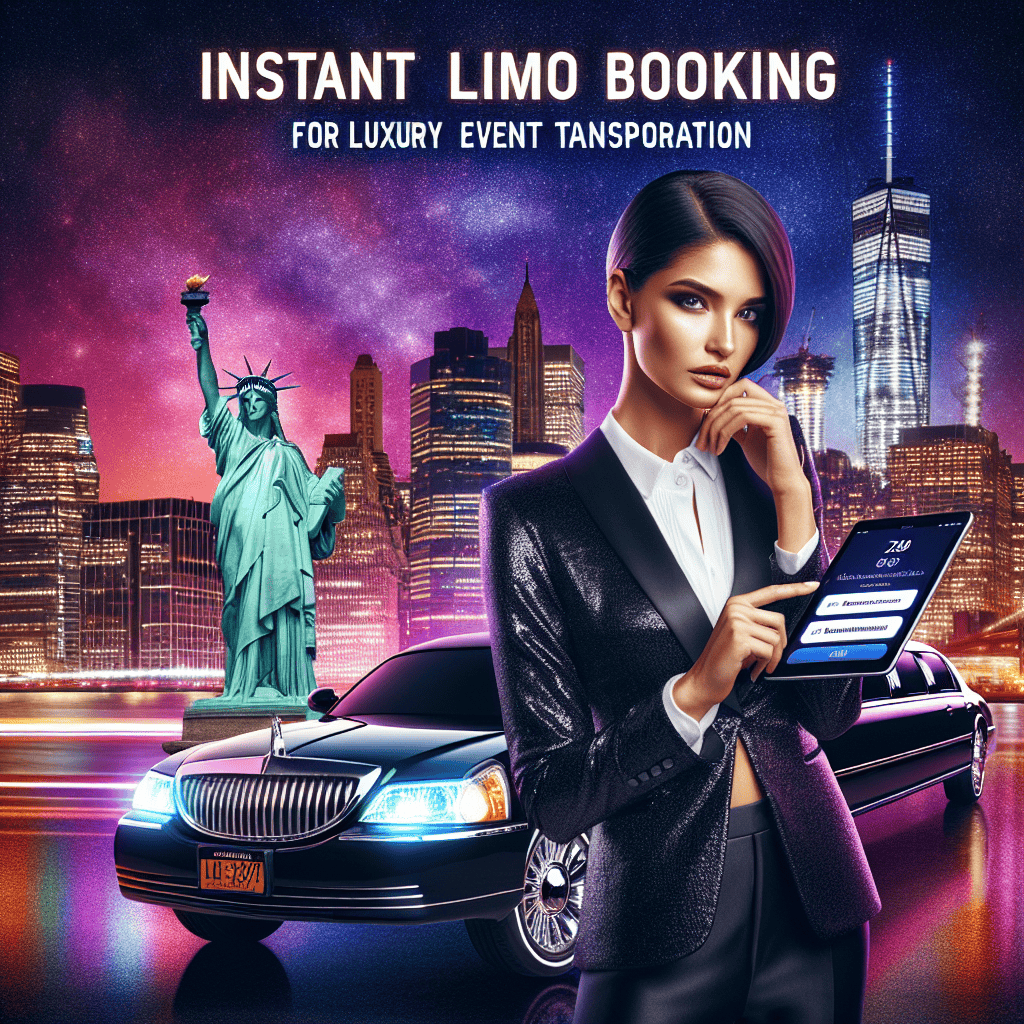
Innovative businesses may leverage technology, incorporating apps for easy booking, implementing shared ride programs, or offering themed experiences that cater to niche markets. These strategies could reinvigorate interest in limos, presenting them as options that provide not just transportation but also memorable experiences.
While limousines may never regain their former prominence as the dominant symbol of luxury, their evolution into niche markets or integrated experiences could revitalize their appeal. By embracing change and reflecting modern preferences, this traditional mode of transport may find new life in a world constantly seeking novelty and connection.
Related Posts