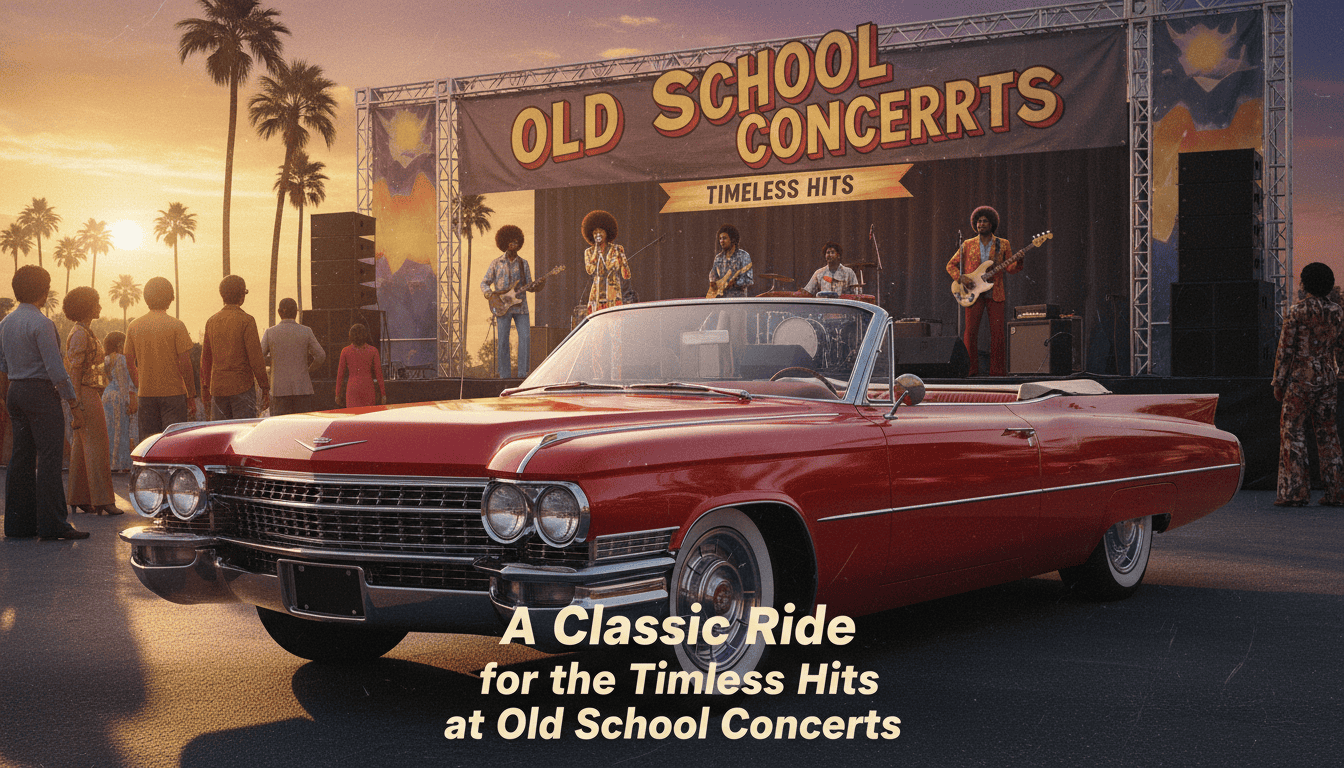
A classic ride for the timeless hits at Old school concerts
The Enduring Appeal of Lowriders and the Nostalgic Soundtrack of Generations
The pulsating bass, the shimmering chrome, the slow, deliberate bounce – the lowrider. It’s more than just a car; it’s a cultural icon, a rolling testament to artistry, community, and a uniquely American expression of identity. And when the lights dim and the first notes of a classic soul, funk, or R&B hit reverberate through the air at an old school concert, the sight of these ground-hugging masterpieces cruising in is the perfect visual embodiment of the music and the memories it evokes. The symbiotic relationship between lowriders and old school music is undeniable, a powerful connection forged in shared values, artistic expression, and a deep reverence for the past. This article delves into the heart of this relationship, exploring why the lowrider is the quintessential ride for reliving the timeless hits of generations gone by.
Lowriding: More Than Meets the Eye – A History of Resistance and Resilience
To truly appreciate the connection between lowriders and old school music, it’s crucial to understand the history and cultural significance of the lowrider itself. Born in the post-World War II barrios of Southern California, lowriding emerged as a defiant act of self-expression by Mexican-American communities. Following the war, many Mexican-American veterans returned home, facing continued discrimination and social marginalization. Despite serving their country, they found themselves excluded from the American Dream.
In this environment, the lowrider became a symbol of resistance. Traditional hot-rodding, popular at the time, focused on speed and power, a symbol of assimilation and upward mobility. Lowriders, on the other hand, deliberately challenged this notion. Rather than lifting their cars for speed, these innovators lowered them, sometimes using sandbags in the trunk to achieve the desired stance. This was a deliberate statement, a declaration of cultural pride and a refusal to conform to mainstream expectations.
However, the lowrider quickly evolved beyond mere rebellion. The focus shifted to artistry and craftsmanship. Intricate paint jobs, often featuring elaborate murals, intricate pinstriping, and dazzling chrome, transformed ordinary cars into rolling works of art. Hydraulic suspension systems, initially rudimentary and later refined, allowed drivers to raise and lower their cars at will, creating the iconic bouncing motion that has become synonymous with lowriding.
The lowrider scene became a vibrant expression of Chicano culture, fostering a sense of community and belonging. Cruises down Whittier Boulevard in East Los Angeles became legendary, showcasing the creativity and ingenuity of the lowrider community. Despite facing legal challenges and negative stereotypes, lowriding persevered, becoming an integral part of American car culture and a powerful symbol of Mexican-American identity.
The Soundtrack of the Streets: Old School Music and the Lowrider Lifestyle
Parallel to the rise of lowriding, the airwaves were filled with the sounds of soul, funk, and R&B. Artists like The Temptations, Marvin Gaye, Earth, Wind & Fire, and War, provided the soundtrack for a generation, their music reflecting the social and political realities of the time, as well as the joys and struggles of everyday life. These artists spoke to the experiences of marginalized communities, including Mexican-Americans, offering a sense of solidarity and connection.
This music became inextricably linked to the lowrider lifestyle. Cruising down the street in a lowrider with the windows down and the music blasting became a ritual, a way to connect with friends, family, and community. The smooth, soulful sounds of old school music perfectly complemented the slow, deliberate pace of lowriding, creating a sense of effortless cool and relaxed cruising.
The bass-heavy beats of funk and R&B resonated deep within the lowrider, adding to the overall sensory experience. The music didn’t just fill the air; it vibrated through the car, connecting the driver and passengers to the rhythm and the culture that spawned it. The selection of music became a statement in itself, a reflection of the driver’s personal taste and their connection to the community. A perfectly curated playlist was essential for a successful cruise, setting the mood and creating a shared experience for all involved.
A Shared Aesthetic: The Harmony of Visuals and Sound
Beyond the cultural connection, there’s a deeper aesthetic synergy between lowriders and old school music. Both are characterized by a certain level of extravagance, attention to detail, and a deep appreciation for artistry.
Lowriders, with their elaborate paint jobs, intricate designs, and dazzling chrome, are visual masterpieces. The time and effort that goes into creating a truly stunning lowrider is immense, requiring skilled craftsmanship and a keen eye for detail. Similarly, old school music is characterized by its lush arrangements, soulful vocals, and intricate instrumental work. The musicians who created these timeless hits were masters of their craft, pouring their hearts and souls into every note.
Both lowriders and old school music share a certain “coolness” factor. They exude a sense of confidence, style, and authenticity. Lowriders are not about speed or performance; they are about style and making a statement. Old school music is not about fleeting trends; it is about timeless melodies and meaningful lyrics that resonate across generations.
The deliberate pace of lowriding also complements the laid-back vibe of many old school hits. There’s no need to rush or hurry; the goal is to savor the moment, to enjoy the company of friends, and to appreciate the beauty of the car and the music. This shared sense of relaxation and appreciation for the finer things in life further strengthens the connection between lowriders and old school music.
The Enduring Appeal: Nostalgia, Community, and the Preservation of a Legacy
The enduring appeal of the connection between lowriders and old school music lies in the power of nostalgia. For many, these cars and this music represent a simpler time, a time of shared experiences and strong community bonds. Attending an old school concert and seeing a line of lowriders cruising in evokes a sense of nostalgia for a past that is fondly remembered.
Lowriding and old school music also serve as important vehicles for preserving cultural heritage. They are a way to connect with the past, to honor the traditions of previous generations, and to pass on those traditions to future generations. Lowrider clubs and old school music groups often work together to organize events, showcasing their cars and their music and educating others about their history and cultural significance.
Furthermore, the lowrider community and the old school music scene share a strong sense of community. They are both inclusive and welcoming, offering a sense of belonging to those who share their passion. Attending a lowrider show or an old school concert is a way to connect with like-minded individuals, to share stories, and to celebrate a shared cultural heritage.
The Old School Concert: The Perfect Stage for a Lowrider Revival
The setting of an old school concert is the perfect venue to witness the powerful connection between lowriders and the timeless music they represent. The concert atmosphere, filled with anticipation and excitement, amplifies the impact of seeing these meticulously crafted vehicles cruise in. The sight of a gleaming Impala or a bouncing Cadillac, meticulously restored and customized, instantly transports the audience back in time, setting the stage for an evening of nostalgic enjoyment.
The music acts as the perfect backdrop, providing the soundtrack for the visual spectacle of the lowriders. As the iconic sounds of soul, funk, and R&B fill the air, the lowriders become more than just cars; they become moving works of art, synchronized to the rhythm and beat of the music. The synergy between the visual and the auditory creates a powerful and unforgettable experience for the audience.
The lowriders at an old school concert also serve as a reminder of the cultural significance of both the cars and the music. They represent a shared history, a shared struggle, and a shared sense of pride. They are a testament to the resilience and creativity of the communities that spawned them.
Looking Ahead: The Future of Lowriding and Old School Music
Despite the challenges of changing times, the lowrider culture and the appreciation for old school music continue to thrive. Younger generations are embracing both, drawn to their authenticity, artistry, and cultural significance. Lowrider clubs are actively recruiting new members, and old school music is finding new audiences through streaming services and social media.
The future of the connection between lowriders and old school music looks bright. As long as there are those who appreciate the beauty of a perfectly crafted lowrider and the timeless appeal of classic soul, funk, and R&B, this powerful connection will continue to resonate and inspire. The lowrider, a classic ride, will continue to be the perfect accompaniment to the timeless hits at old school concerts, ensuring that the legacy of both lives on for generations to come. It’s a testament to the enduring power of art, culture, and the unwavering spirit of community. The bounce goes on.
Related Posts
 Elegance on Wheels: The Timeless Charm of the 1935 Phaeton Convertible at Bubz Limos NYC
 Why NYC Families Choose Private School Transportation
 Setting the perfect mood for a night of hits at R&b concerts
 Respect the legends by arriving in style to Old school concerts
 Real love starts with a Bubz Limo ride to Mary j. Blige concerts
 The essence of Afrobeats begins on the ride to Wizkid concerts
 Reliving the glory days of the NYC music scene at Old school concerts
 P.I.M.P. your ride on the way to the legendary 50 cent concerts