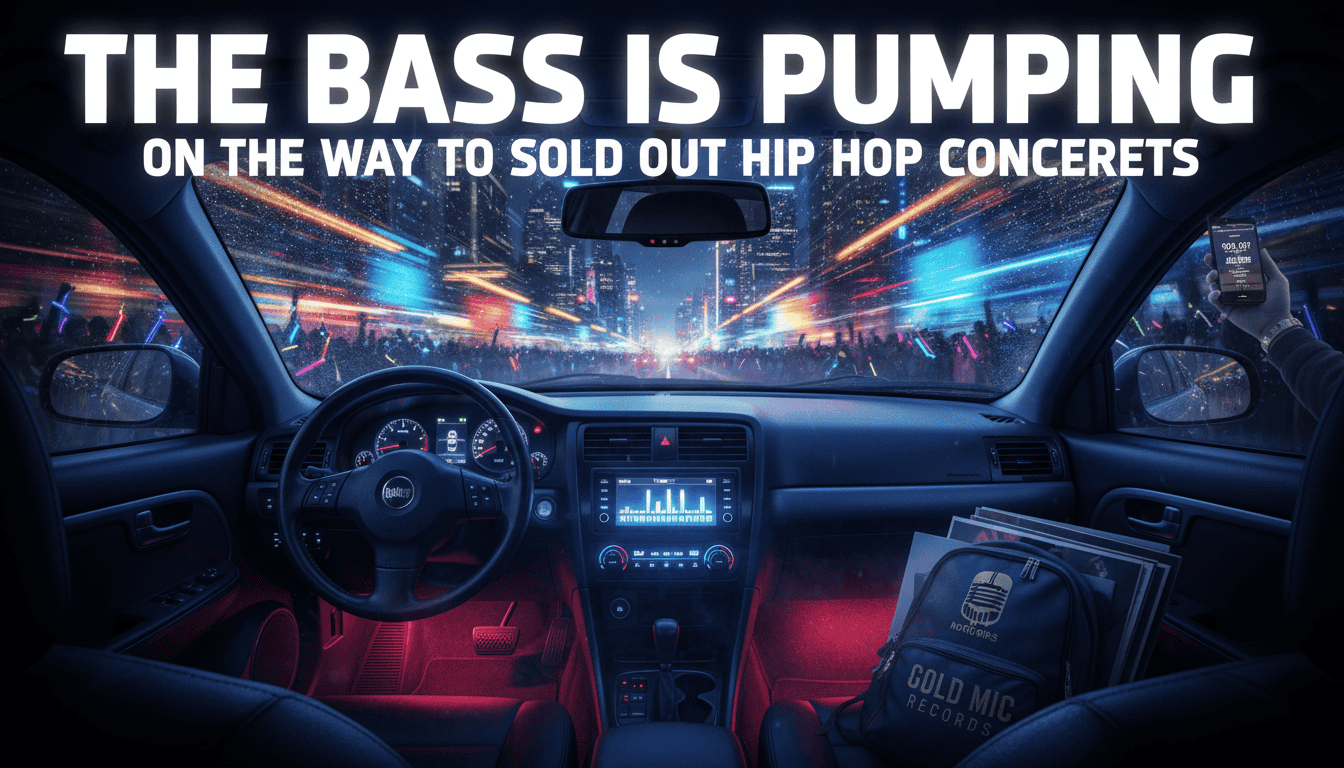
The bass is pumping on the way to the sold out Hip hop concerts
A Sonic Journey to Unity and Release
The thrumming bass, a pulsating heartbeat emanating from car windows and shared headphones, isn’t just music; it’s a primal call, a siren song beckoning thousands towards a shared experience. Tonight, it leads the way to a sold-out hip-hop concert, a spectacle of rhythm, rhyme, and raw energy where the boundaries between performer and audience blur, and the collective consciousness elevates on a tide of sonic force. From the pre-game anticipation in the parking lots to the earth-shattering drop during the encore, the journey to a hip-hop concert is a meticulously crafted experience, built on the foundation of that omnipresent, life-affirming bass.
The anticipation begins long before the first beat drops. For days, weeks even, the announcement has been echoing through social media, generating a virtual frenzy of excitement. Ticket sales have skyrocketed, fueled by carefully curated promotional snippets, artist interviews, and the tantalizing promise of witnessing hip-hop royalty command the stage. The event becomes a focal point, a beacon on the horizon of everyday life, a break from the monotony and a chance to immerse oneself in a world of unapologetic expression.
The day of the concert arrives with a palpable buzz. The air feels thicker, charged with an unspoken electricity. It’s a day of careful preparation: meticulously selecting the perfect outfit, coordinating with friends, and most importantly, crafting the perfect playlist to soundtrack the journey. This pre-concert ritual is sacred, a chance to mentally and emotionally prepare for the sonic onslaught that awaits. The chosen tracks aren’t just background noise; they are a carefully curated selection of the artist’s discography, interwoven with classic bangers and hype anthems designed to ignite the inner fire.
And then comes the moment: stepping into the car, the first notes of the pre-concert playlist blasting through the speakers. The bass kicks in, a deep, resonating rumble that vibrates through the seats and into the very bones. This isn’t just listening to music; it’s a physical experience, a full-body immersion in sound. With each pulse, the anticipation intensifies, building to a crescendo that mirrors the growing excitement for the show.
The journey to the venue becomes a mobile party. Cars become rolling sound systems, vying for sonic dominance with competing bass lines. Windows are rolled down, and arms pump in the air, silhouettes illuminated by the setting sun. Strangers connect through shared love of the music, exchanging knowing nods and smiles. This is more than just a commute; it’s a pilgrimage, a collective migration towards a shared destiny.
As the venue draws closer, the atmosphere becomes electric. The traffic thickens, a slow-moving river of humanity flowing towards the source of the sonic vortex. The air is thick with the aroma of street food, the flashing lights of merchandise vendors, and the excited chatter of the crowd. The bass now bleeds from the venue itself, a low-frequency hum that reverberates through the pavement, a constant reminder of the auditory experience that awaits.
Stepping into the venue is like entering another dimension. The sheer scale of the crowd is overwhelming, a sea of faces united by a common purpose. The stage is a colossal spectacle of lights and sound, a visual representation of the music’s power. The DJ warms up the crowd, expertly blending tracks and building the energy to a fever pitch. The bass is relentless, a constant assault that shakes the very foundations of the building.
The anticipation reaches its zenith. The lights dim, a collective roar erupts from the crowd, and the artist emerges onto the stage, bathed in the blinding glow of spotlights. The opening track hits with the force of a hurricane, the bass a seismic wave that washes over the audience. The energy is palpable, a tangible force that binds everyone together.
The next few hours are a blur of music, movement, and shared euphoria. The artist commands the stage, effortlessly delivering rhymes with precision and passion. The crowd responds in kind, singing along to every word, bouncing in unison, and losing themselves in the moment. The bass is the driving force, the foundation upon which the entire experience is built. It underscores every lyric, amplifies every beat, and connects everyone in the room through a shared physical sensation.
Between songs, the artist connects with the crowd, sharing personal stories, offering words of encouragement, and acknowledging the power of the music to unite and inspire. The concert becomes more than just a performance; it becomes a conversation, a dialogue between the artist and the audience.
As the concert nears its end, the energy reaches a fever pitch. The artist launches into their biggest hits, the crowd explodes in a frenzy of excitement, and the bass reaches its maximum intensity. The entire venue vibrates with the power of the music, a physical manifestation of the collective energy.
The final song ends with a thunderous applause, a deafening roar that shakes the building to its core. The lights come up, and the crowd begins to disperse, but the energy lingers in the air. The memory of the music, the movement, and the shared experience will stay with them long after they leave the venue.
The journey home is quieter, more reflective. The bass is still there, echoing in their minds, a reminder of the power of the music. The experience has left them feeling energized, inspired, and connected. They are already looking forward to the next concert, the next opportunity to lose themselves in the rhythm and rhyme of hip-hop. The bass may fade, but the memories of the sold-out show, the shared experience, and the unity of the crowd will resonate long after the last beat drops. The journey to and from a hip-hop concert is more than just transportation; it’s a sonic odyssey, a pilgrimage to a space where music transcends language, unites strangers, and elevates the spirit. It’s a testament to the enduring power of hip-hop to connect, inspire, and uplift.
The Bass is Pumping on the Way to the Sold-Out Hip-Hop Concert: A Deep Dive into the Cultural Phenomenon
Beyond the surface of pulsating rhythms and electrifying performances, the journey to a sold-out hip-hop concert represents a powerful cultural phenomenon. It’s a multi-layered experience deeply intertwined with identity, community, and the constant evolution of a genre that continues to shape global culture. The bass, the undeniable engine driving this experience, serves as a symbolic heartbeat, uniting diverse audiences and amplifying voices often marginalized in mainstream narratives. Exploring the cultural significance of this pre-concert ritual reveals a deeper understanding of hip-hop’s enduring impact and its ability to foster connection in a fragmented world.
Hip-hop, originating in the Bronx in the 1970s, was born from a need for expression in underserved communities. Lacking access to traditional avenues of power, individuals turned to music, dance, and art to voice their experiences, frustrations, and aspirations. The bass, a foundational element of hip-hop production, became synonymous with this raw, unfiltered energy. Its deep resonance resonated with the struggles and triumphs of a generation, providing a sonic landscape for their stories to be told.
The journey to a hip-hop concert echoes this historical context. It’s a modern-day pilgrimage to a sacred space where the legacy of the genre is celebrated and perpetuated. The act of traveling to the venue, often in groups, reinforces the sense of community that has always been central to hip-hop culture. Sharing music in the car, discussing favorite artists, and reminiscing about iconic moments in hip-hop history solidify a collective identity rooted in shared experiences.
Furthermore, the pre-concert playlist becomes a carefully curated expression of individual identity within the broader hip-hop community. The chosen tracks reveal personal preferences, allegiances to specific artists or subgenres, and a desire to connect with others who share similar tastes. This curated selection is a form of self-expression, a declaration of individuality within the collective. The bass lines that underpin these tracks become a sonic badge of honor, a declaration of belonging to a culture that values authenticity and self-expression.
The fashion choices made on the way to the concert further contribute to this sense of identity and belonging. From streetwear staples like oversized hoodies and sneakers to more expressive styles that incorporate elements of graffiti art, vintage clothing, and unique accessories, the attire worn to a hip-hop concert is a visual representation of personal style and cultural affiliation. This careful selection of clothing serves as a form of communication, signaling to others within the community shared values, influences, and aesthetic sensibilities.
The act of congregating in the parking lot before the show is another crucial element of the pre-concert ritual. Tailgating, dancing, and socializing in the parking lot before the show fosters a sense of camaraderie and shared anticipation. The bass emanating from car stereos creates a communal soundscape, a symphony of anticipation that unites strangers in their shared excitement for the upcoming performance. These interactions, often spontaneous and unscripted, create a sense of belonging and reinforce the idea that hip-hop is more than just music; it’s a community.
Beyond the personal and communal aspects, the sold-out hip-hop concert holds significant economic and social implications. These events generate substantial revenue for artists, venues, and local businesses. They create employment opportunities and stimulate economic activity in the surrounding communities. Moreover, hip-hop concerts provide a platform for artists to advocate for social change, raise awareness about important issues, and inspire their audiences to take action.
The messages conveyed through the music, the lyrics, and the artist’s stage presence often address themes of social justice, inequality, and empowerment. The bass, as the foundation of these messages, amplifies their impact, resonating with audiences on a visceral level and prompting reflection and action. The concert becomes a space for dialogue, a forum for social commentary, and a catalyst for change.
However, it’s crucial to acknowledge the complexities and contradictions within hip-hop culture. Issues of gender representation, violence, and materialism are often debated within the community. The journey to the concert, while a celebration of community, can also be a space where these issues are confronted and challenged. Discussions about the portrayal of women in hip-hop, the glorification of violence, and the pressure to conform to certain materialistic standards often take place during this pre-concert ritual.
Despite these challenges, the journey to a sold-out hip-hop concert remains a powerful cultural phenomenon. It’s a testament to the enduring power of music to unite, inspire, and empower. The bass, as the driving force behind this experience, serves as a reminder of the genre’s roots in marginalized communities and its ongoing commitment to social justice. As hip-hop continues to evolve and adapt, the journey to the concert will undoubtedly remain a vital part of its cultural landscape, a space where identity is forged, community is strengthened, and the power of music to change the world is celebrated.
Related Posts
 Arrive like the headliner at the biggest Hip hop concerts in the city
 The Queen of Hip Hop Soul deserves a royal entrance at Mary j. Blige concerts
 Bubz Limos is the official ride for the culture at Hip hop concerts
 How to Choose the Best NYC Limo Bus for Concerts and Sporting Events
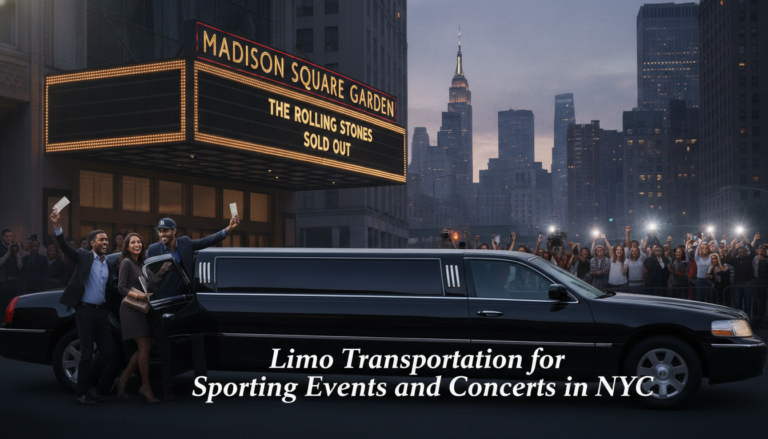 Limo Transportation for Sporting Events and Concerts in NYC
 Best Luxury Transportation for Concerts
 Bodyguard Services for Concerts in New York City
 Party Bus Service for NYC Summer Concerts