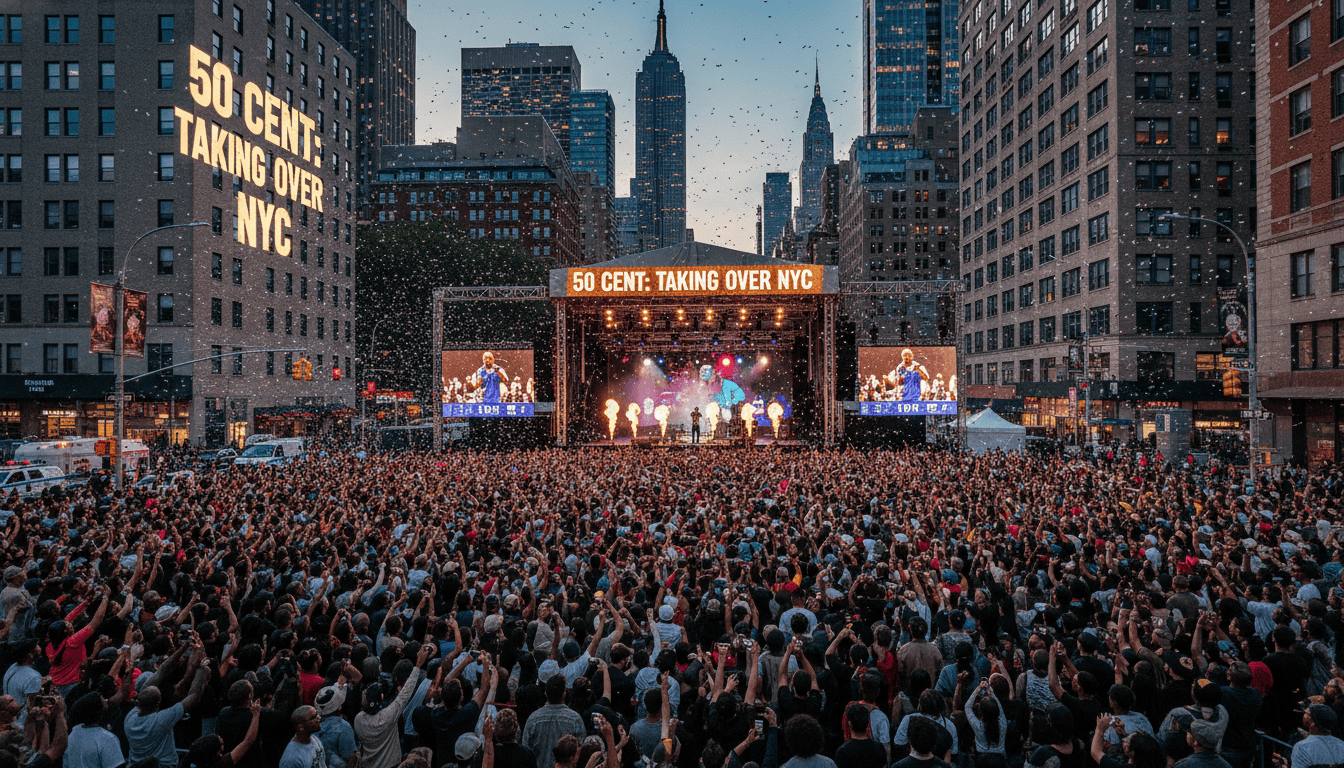
Taking over the streets of New York for the 50 cent concerts
A Glimpse into Hip-Hop’s Enduring Power and Citywide Transformation
New York City, the birthplace of hip-hop, holds a special place in the genre’s history. Its streets have been the canvas for its evolution, the echo chamber for its rhymes, and the proving ground for its legends. When 50 Cent, the G-Unit general who famously rose from the streets of South Jamaica, Queens, announced a series of concerts in the city, it wasn’t just another tour stop; it was a homecoming, a celebration, and a testament to the enduring power of hip-hop culture. These concerts, spanning different boroughs and venues, weren’t confined to the concert halls; they spilled onto the streets, transforming the city into a pulsating, vibrant, and occasionally chaotic landscape of fandom, music, and raw energy.
The anticipation leading up to the 50 Cent concerts was palpable. For many, it was a chance to relive their youth, to reconnect with the soundtrack of their lives. 50 Cent’s rise in the early 2000s coincided with a pivotal moment in hip-hop, a shift towards grittier narratives, raw honesty, and undeniable street credibility. His debut album, “Get Rich or Die Tryin’,” became an instant classic, its lyrics etching themselves into the collective consciousness of a generation. The album’s themes of struggle, ambition, and survival resonated deeply with young people across the city, particularly those who identified with the challenges and realities depicted in his music. News of the concerts spread like wildfire through social media, igniting a frenzy among fans eager to witness the return of a hip-hop icon.
The impact of the concerts was felt far beyond the immediate vicinity of the venues. On the days of the shows, the city’s energy shifted. The familiar hum of traffic and the usual hustle and bustle were amplified by a surge of excitement. Subway cars became mobile listening parties, with headphones blasting 50 Cent’s hits. Street vendors hawked merchandise, from bootleg t-shirts to G-Unit branded accessories. The air crackled with anticipation, a sense that something significant was about to happen.
Around the venues, the scenes were even more intense. Lines snaked around city blocks, a diverse tapestry of faces united by their love for 50 Cent’s music. The crowd was a mix of OG fans who had been following his career since the beginning, and younger generations who had discovered his music through streaming platforms and viral trends. There were those decked out in G-Unit gear, paying homage to the era of fitted hats and baggy jeans, and others sporting more contemporary streetwear styles, a testament to hip-hop’s enduring influence on fashion.
The energy within the crowd was electric. As the opening acts warmed up the stage, the chants of “50! 50! 50!” grew louder, a collective expression of excitement and anticipation. When 50 Cent finally took the stage, the eruption of cheers was deafening. The crowd roared as he launched into his classic hits, spitting lyrics with the same energy and swagger that had made him a star.
The concerts weren’t just about the music; they were about the experience. The lights, the sound, the energy of the crowd – it all combined to create an immersive and unforgettable atmosphere. 50 Cent commanded the stage, his presence larger than life. He interacted with the crowd, sharing stories from his past and expressing his gratitude for their support. He brought out special guests, adding to the surprise and excitement.
The effect of the concerts extended beyond the immediate gratification of the performance. They served as a reminder of hip-hop’s enduring power to unite people, to transcend boundaries of race, class, and age. They sparked conversations about the genre’s evolution, its impact on culture, and its significance in the lives of so many. They also highlighted the unique relationship between hip-hop and New York City, a relationship forged in the streets and sustained by the shared experiences of its residents.
However, the takeover of the streets also brought its challenges. The sheer volume of people descended upon the concert venues created logistical issues. Traffic congestion was widespread, making it difficult for residents to navigate the city. Public transportation was overwhelmed, with subway cars packed to capacity. Security concerns were also heightened, requiring increased police presence and crowd control measures.
Some residents voiced complaints about the noise, the traffic, and the overall disruption caused by the concerts. They argued that the city should have done more to mitigate the negative impacts on the surrounding communities. Others, however, embraced the energy and excitement of the event, recognizing it as a celebration of hip-hop culture and a boost for the local economy.
The 50 Cent concerts served as a microcosm of the complex relationship between hip-hop and the city that birthed it. The genre has always been a source of pride and inspiration for many New Yorkers, but it has also been associated with controversy and conflict. The concerts highlighted both the positive and negative aspects of this relationship, sparking debates about the role of music in urban life, the responsibilities of artists, and the balance between celebration and disruption.
In the aftermath of the concerts, the city began to return to its normal rhythm. The crowds dispersed, the traffic eased, and the noise subsided. But the memories of the events lingered, etched in the minds of those who had witnessed them. The 50 Cent concerts had not only taken over the streets of New York; they had also left an indelible mark on the city’s cultural landscape.
The impact of these concerts goes beyond the momentary excitement and fleeting disruption. They offered a deeper insight into the enduring power of hip-hop as a cultural force, particularly in its birthplace. They illustrated how music can mobilize communities, ignite collective memories, and transform urban spaces into temporary stages for shared experiences. More than just concerts, these events became a powerful statement about hip-hop’s continuing relevance and its inextricable link to the identity of New York City.
The events highlighted the complex and often contradictory relationship between hip-hop and urban life. While the music provides a voice for marginalized communities and celebrates the resilience of the human spirit, large-scale events like these also expose the tensions between artistic expression, commercial interests, and the everyday realities of city living. The 50 Cent concerts forced New Yorkers to confront these tensions, sparking conversations about the role of entertainment in public spaces, the balance between cultural celebration and community disruption, and the responsibility of artists to be mindful of their impact on the surrounding environment.
Ultimately, the 50 Cent concerts in New York City were more than just a series of musical performances. They were a cultural phenomenon, a citywide transformation, and a powerful reminder of the enduring legacy of hip-hop. They demonstrated the genre’s ability to unite people, to transcend boundaries, and to transform the urban landscape. They also highlighted the challenges and complexities of celebrating music in a densely populated city, prompting conversations about community, responsibility, and the delicate balance between cultural expression and everyday life. As the echoes of the concerts fade, the lessons learned and the memories created will continue to shape the relationship between hip-hop and its birthplace for years to come. The streets, once again, are silent, but the spirit of 50 Cent, and the genre he helped define, continues to resonate within the heart of New York City.
The future will likely see more events like these, as hip-hop continues to evolve and connect with new generations. Learning from the experiences of the 50 Cent concerts, city planners, event organizers, and artists can work together to create events that celebrate the music while minimizing disruptions and maximizing the benefits for the surrounding communities. This requires open communication, thoughtful planning, and a commitment to creating inclusive and sustainable events that respect the needs of all residents. As hip-hop continues to shape the cultural landscape of New York City and beyond, the lessons learned from the 50 Cent concerts will serve as a valuable guide for navigating the complex and ever-evolving relationship between music, culture, and urban life.
Related Posts
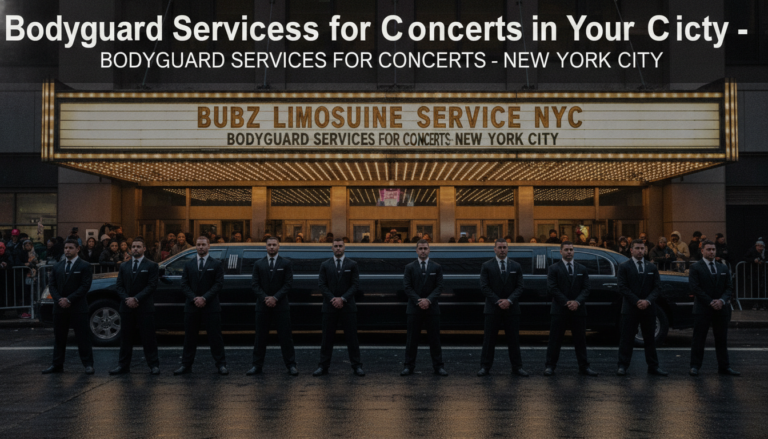 Bodyguard Services for Concerts in New York City
 VIP Group Transportation for Concerts and Sports Events in New York
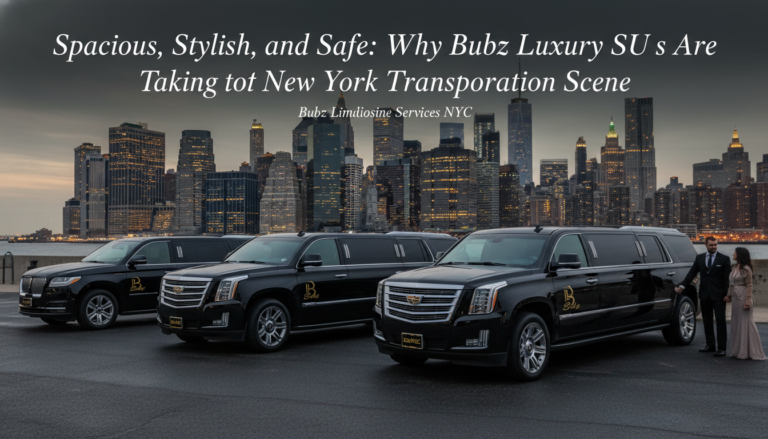 Spacious Stylish and Safe Why Bubz Luxury SUVs Are Taking Over the New York Transportation Scene
 P.I.M.P. your ride on the way to the legendary 50 cent concerts
 Get rich or ride in style to the next 50 cent concerts
 Manhattan Party Bus Rental: Travel in Style Around New York City
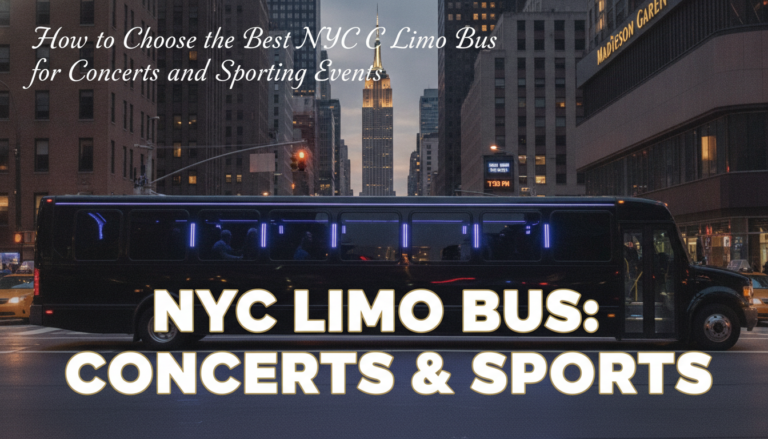 How to Choose the Best NYC Limo Bus for Concerts and Sporting Events
 Limo Transportation for Sporting Events and Concerts in NYC