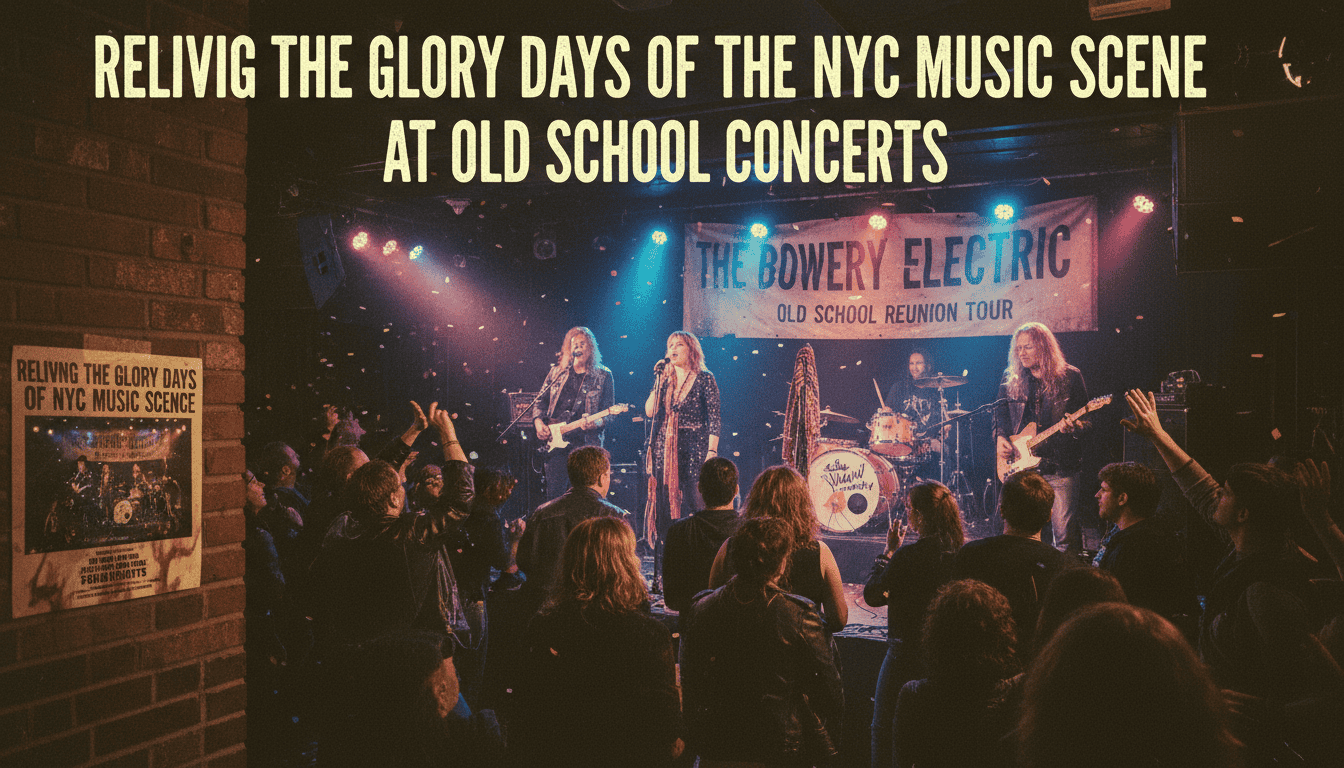
Reliving the glory days of the NYC music scene at Old school concerts
Old School Concerts Keeping the NYC Music Scene’s Soul Alive
New York City. The name itself conjures images of a vibrant, restless, and endlessly creative landscape. For generations, it has been a breeding ground for musical innovation, a crucible where genres were forged and legends were made. From the smoky jazz clubs of Harlem to the punk rock dives of the East Village, the city has always been a stage for the avant-garde, the rebellious, and the undeniably talented. While the modern music scene continues to evolve, there’s a powerful, persistent yearning for the sounds and experiences of the past. Enter: the old school concert scene, a flourishing movement dedicated to reviving the glory days of NYC music and offering audiences a chance to reconnect with their musical roots.
These aren’t just tribute bands churning out carbon copies of well-worn classics. Instead, these concerts often feature original artists from seminal bands, musicians who were instrumental in shaping the soundscape of their era. They’re not just playing the songs; they are the songs. Hearing these icons perform live, often in intimate venues echoing the spaces where their careers began, is more than nostalgia – it’s a powerful, visceral experience that transcends time. It’s a tangible connection to a history that continues to resonate deeply with New Yorkers and music lovers worldwide.
One of the key aspects of this phenomenon is its focus on authenticity. Audiences aren’t looking for perfectly polished recreations of their favorite albums. They’re craving the raw energy, the improvisational flair, and the genuine emotion that defined the music of yesteryear. This often translates to shows in smaller, more intimate venues that harken back to the days when these artists were cutting their teeth. Forget the stadium spectacle; think dimly lit clubs in the East Village, converted warehouses in Brooklyn, and time-worn theaters that have witnessed decades of musical history. These spaces foster a sense of community, where fans can feel closer to the artists and share a collective experience with like-minded individuals.
The genres represented within the old school concert scene in NYC are as diverse as the city itself. From the gritty punk rock of the Ramones and Blondie, to the soulful funk of Kool & the Gang and Earth, Wind & Fire, to the innovative hip-hop of Grandmaster Flash and Run-DMC, there’s something for everyone. The resurgence of interest in these genres isn’t just a fleeting trend; it’s a testament to the enduring quality of the music and its continuing relevance in today’s society. These artists captured the zeitgeist of their time, addressing social issues, exploring personal struggles, and celebrating the vibrant energy of urban life in ways that continue to resonate with contemporary audiences.
Take, for example, the enduring appeal of the CBGB era. The legendary punk rock club, now sadly closed, served as a launching pad for countless bands that went on to define the genre. Hearing original members of bands like Television, the Dead Boys, or the Dictators performing their iconic songs live is a powerful reminder of the rebellious spirit and DIY ethos that characterized the early punk scene. It’s a chance to relive a time when music was raw, unfiltered, and fiercely independent.
Similarly, the birth of hip-hop in the Bronx in the 1970s is a cornerstone of NYC’s musical history. Seeing pioneers like Grandmaster Flash, DJ Kool Herc, or members of the Furious Five still electrifying crowds with their innovative turntablism and socially conscious lyrics is a testament to the genre’s enduring power. These artists didn’t just create music; they created a cultural movement that continues to shape the world today.
But the old school concert scene isn’t just about nostalgia. It’s also about rediscovery and education. For younger generations who may have only encountered these artists through their parents’ record collections or through sampling in contemporary music, these concerts offer a chance to experience the music firsthand and appreciate its historical significance. They can witness the raw energy and talent that made these artists so influential and understand the context in which their music was created.
Furthermore, these concerts often provide a platform for artists to connect with their fans on a more personal level. Many artists take the time to share stories about their careers, discuss the inspiration behind their songs, and reflect on the impact their music has had on the world. These moments of connection create a sense of intimacy and camaraderie that is often absent from larger, more impersonal concerts.
The economic impact of the old school concert scene should not be overlooked. It provides a vital source of income for musicians who may have been overlooked by the mainstream music industry in recent years. It also supports local venues, businesses, and communities that benefit from the influx of concertgoers. By attending these concerts, fans are not only reliving their musical memories but also contributing to the economic vitality of the city‘s arts and culture scene.
The proliferation of online communities and social media platforms has also played a significant role in the resurgence of interest in old school music. Fans can connect with each other, share their memories, and discover new artists and concerts. These platforms also allow artists to promote their shows and connect with their fans directly. The digital age has, paradoxically, helped to revive a connection to the analog past.
However, the old school concert scene isn’t without its challenges. The aging of the artists themselves presents a unique set of considerations. Maintaining the energy and stamina required to perform live can be demanding, and health concerns can sometimes force artists to cancel or postpone shows. It’s a stark reminder of the passage of time and the ephemeral nature of live performance.
Another challenge is ensuring that the legacy of these artists is preserved for future generations. Documenting their stories, archiving their music, and creating educational resources are crucial steps in ensuring that their contributions to music history are not forgotten. Museums, archives, and academic institutions play a vital role in this process.
Ultimately, the old school concert scene in NYC is more than just a collection of tribute shows or nostalgia acts. It’s a celebration of the city’s rich musical heritage, a testament to the enduring power of music, and a vital source of connection and community. It’s a chance to relive the glory days, to reconnect with the sounds that shaped our lives, and to create new memories that will last a lifetime. So, the next time you’re looking for a truly authentic and unforgettable musical experience, consider stepping back in time and immersing yourself in the vibrant world of old school concerts. You might just discover that the music of the past is more relevant than ever. And you might just find yourself rediscovering a part of yourself along the way.
Related Posts
 How to Choose the Best NYC Limo Bus for Concerts and Sporting Events
 Limo Transportation for Sporting Events and Concerts in NYC
 School Coach Bus Rentals in New York
 Why NYC Families Choose Private School Transportation
 Luxury Transportation for Parents and Students in NYC
 Private Chauffeur Service for Daily School Runs in NYC
 Safe School Transportation for Busy NYC Families
 Bodyguard Services for Concerts in New York City